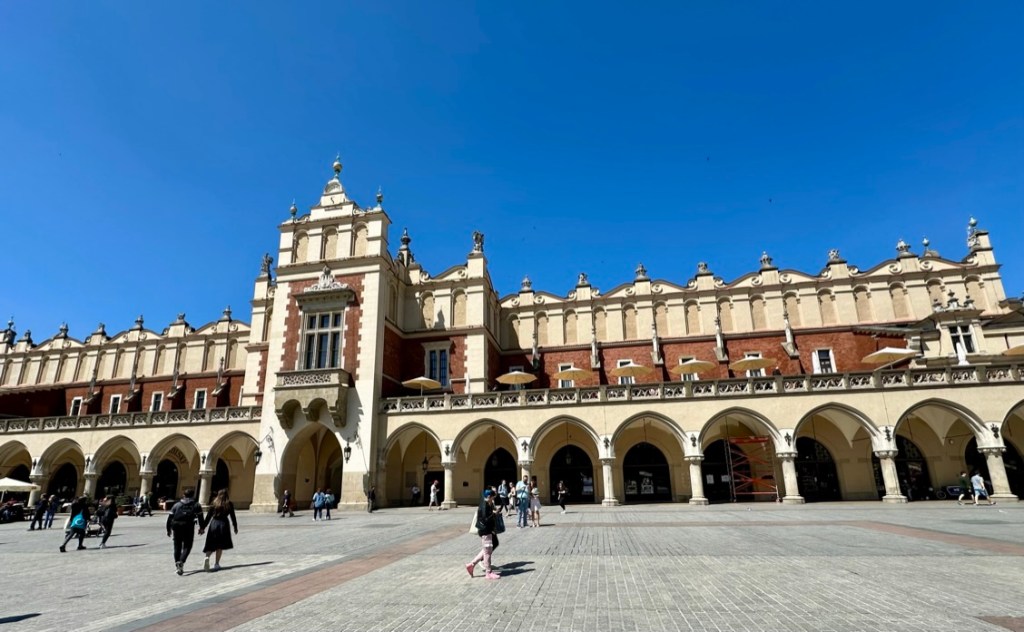
Krakow is a Central European gem of around one million people. Krakow is picturesque with some magnificent buildings and a central square with similarities to Prague and Vienna. We found Krakow easy to navigate; it has fabulous transport links, with plenty of trams and trains. We had good weather which highlighted Krakow’s colourful and vibrant side. There is plenty of history, interesting museums, and an outdoor cafe culture.
Magnificent 7 // Krakow, Poland
- Reflect on the horror of Auschwitz and Birkenau
- Stroll around the city centre
- Go underground at the Wieliczka Salt Mines
- Learn about Oskar Schindler’s Enamel Factory
- Visit the Eagle Pharmacy
- Explore the Jewish Quarter
- Experience total darkness at Womai
Getting there –
We flew from Heathrow on BA. It was a late departure, but time was made up on the way. BA’s online check-in was OK on the way out, but if you pay for the basic fare which includes one cabin bag plus a handbag/laptop bag, you get allocated seats. We were given a window and a middle seat, when we would have preferred an aisle and middle, but there was an £18 fee if you wanted to change your seat. This seemed parsimonious to us. Once at Krakow, it was a breeze. Our bag arrived quickly (this was taken off us at the departure gate and put underneath in the hold as it was a full flight). John Paul II International Airport was easy to navigate and efficient. As it was a late flight, we took a Bolt to our hotel. On the return journey we took the train to the airport, which was straightforward. We could not check-in on the BA app the day before we flew, but managed to do so once at the airport, so didn’t have to queue at the desk. We have not flown short haul with BA for a year or two and overall, I felt that BA’s level of service, check-in/app is interchangeable with the likes of EasyJet, which surprised me.
Where we stayed –

Lwowska 1 is an apartment hotel in an old industrial building that has been refurbished recently. Our apartment room was terrific. Very often hotel rooms focus on style over substance. This did not. A small bedroom (that had two exit doors, one for each side of the bed). A sizeable living area incorporating a kitchenette and dining area. Lots of storage with places to put empty suitcases. A good number of power points to charge up phones etc. The bathroom was off the living area so if you needed to use it during the night, you did not disturb your partner. Lots of hot water too. A bonus was a free to use spa with sauna and steam rooms. Breakfast was reasonable and items were replenished constantly. The location was fantastic, with trams literally across the road and a train station, Krakow Zablocie, is a short 5-minute walk away. This is on the main line that goes from the airport through the city centre to the salt mines at Wieliczka.
Magnificent 7
1. Reflect on the horror of Auschwitz and Birkenau
I can’t say that I enjoyed this half-day tour, but we felt it was important to visit these memorial sites. We booked Krakow Local Tours through Booking.com. It was an early start with a 6.45 AM pick up and we returned to Krakow at 1.30 PM.
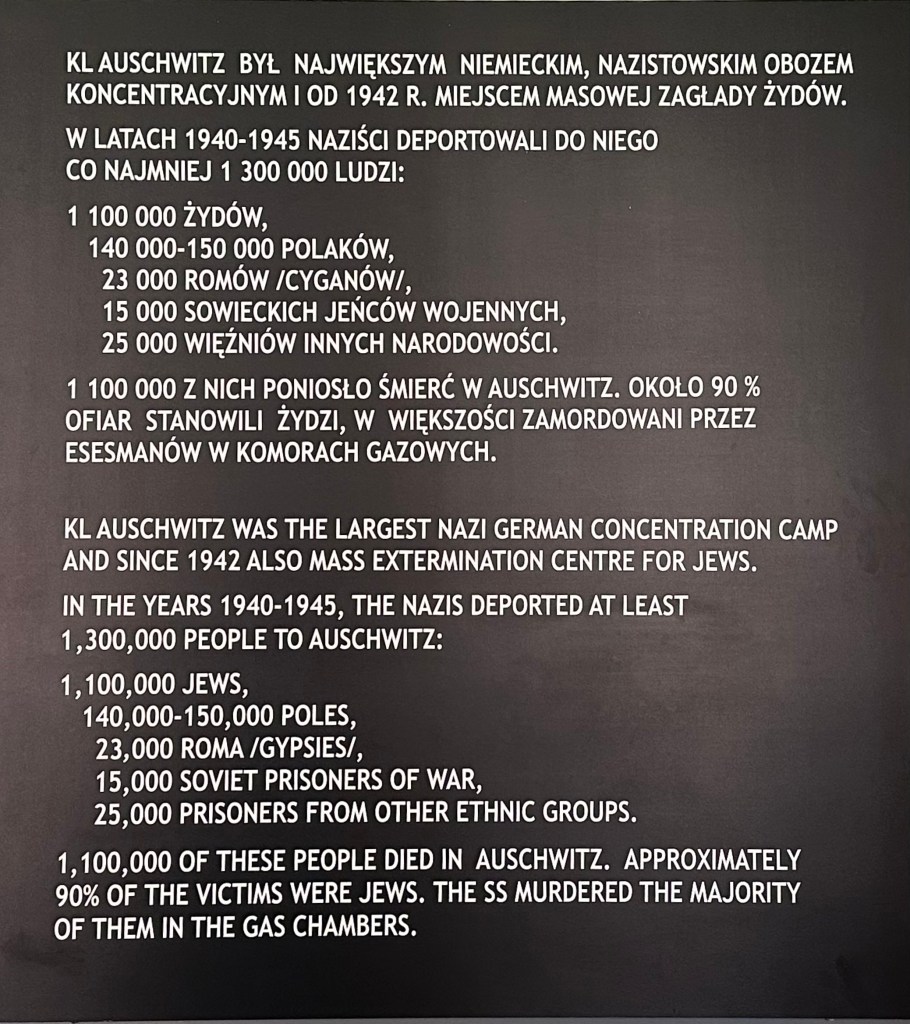
We first visited Auschwitz, which was both a concentration camp and death camp. Birkenau was almost exclusively designed as a death camp. As you would expect it was a quiet and subdued group of visitors. We had the same guide for both sites and our guide, Michal, kept us on the move as he was clearly on a strict timetable. We did not have time to read most of the information boards, particularly at Auschwitz. The exhibit that I found most moving was the mountain of shoes removed by people prior to them entering the “showers”. While we were glad to have visited, other sites such as The Eagle Pharmacy and Oskar Schindler’s Enamel Factory were more personal as they featured first-hand accounts from people who were there. At Auschwitz and Birkenau it was death on an industrial scale and hard to comprehend.
2. Stroll around the city centre
We took a 2½ hour tour with Walkative, booked through Booking.com. Our guide, Damian, was excellent with the right balance between history, conjecture and humour. This was up with the best walking tours we have experienced. We met at the Barbican and meandered to the Market Square, University and up to the castle. This was a proper walking tour that encompassed walking. So often a walking tour involves a few stops with a 20-minute history lesson around each stop. This did not and was most enjoyable. Thoroughly recommended.

3. Go underground at the Wieliczka Salt Mines
This was terrific. A few points first. There are a lot of stairs to navigate. The tour lasts for just over two hours and then there is a 30-minute wait to get above ground at the end of the tour. Some tour groups offer this and an Auschwitz/Birkenau tour on the same day. Hmmm. Not sure this is a good idea.
You must take a guided tour of the mines, however that does not mean that you have to pay for a tour company to pick you up from your hotel and take you back after the trip. We booked the tour with the salt mines online and made our own way there and back by train. This was a significantly cheaper and more interesting way to do it. Our guide was Tomasz. Good commentary, some humour and very knowledgeable without offering too much history. The first part of the tour was going down 54 flights of stairs (378 steps). This was the warmup. Overall there are about 800 steps! Along the way the history of the mine is explained as well as the techniques used to extract the salt and take it to the surface. We saw many rooms, some hugely cavernous. A chapel where weddings still take place, areas for conferences etc. was unexpected. You can look up the details online, but we were very impressed with the immense scale of the mine and the interconnected pathways. There is a short break in the middle of the tour which some people found welcome. Highly recommended.

4. Learn about Oskar Schindler’s Enamel Factory
Firstly, this is a very popular tourist site. We booked online before getting to Krakow and we are glad we did. There was a long line of people waiting to get in when we arrived, which we were able to avoid and gain entry at our designated time.
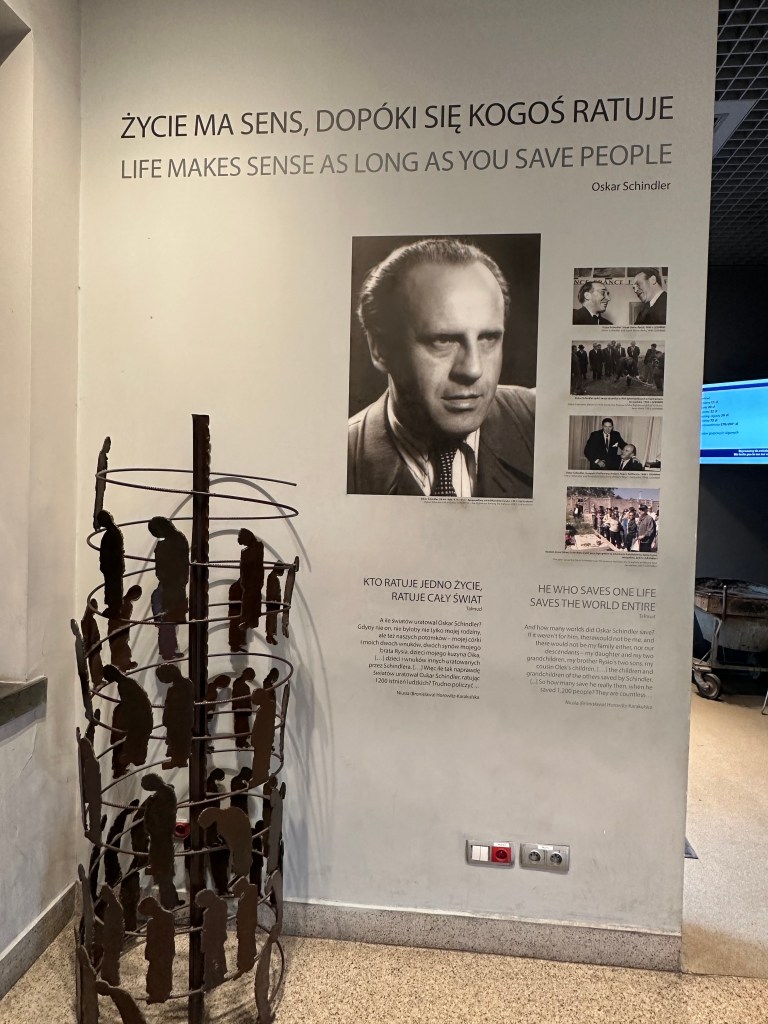
Secondly, there are many guided tours available. The benefit is that if you get a good guide, they will be able to add more colour and anecdotes. However they move through the exhibits at a pace. We chose to make our own way through the museum and spend time in areas we wanted to spend time in. The corridors are narrow in places and at least two English-language tours passed us, so we got to hear quite a lot of commentary. So what is it like? It was not what we expected. It’s not really a factory at all, all equipment being relocated to Brunnlitz, in the Czech Republic in 1944. Yes there is some information about Oskar Schindler, but much more about life under Nazi occupation in WWII for both Poles and Jews, the fate of the Enamel factory and the Jewish workers he saved. Really informative, well presented and a must when visiting Krakow.
5. Visit the Eagle Pharmacy
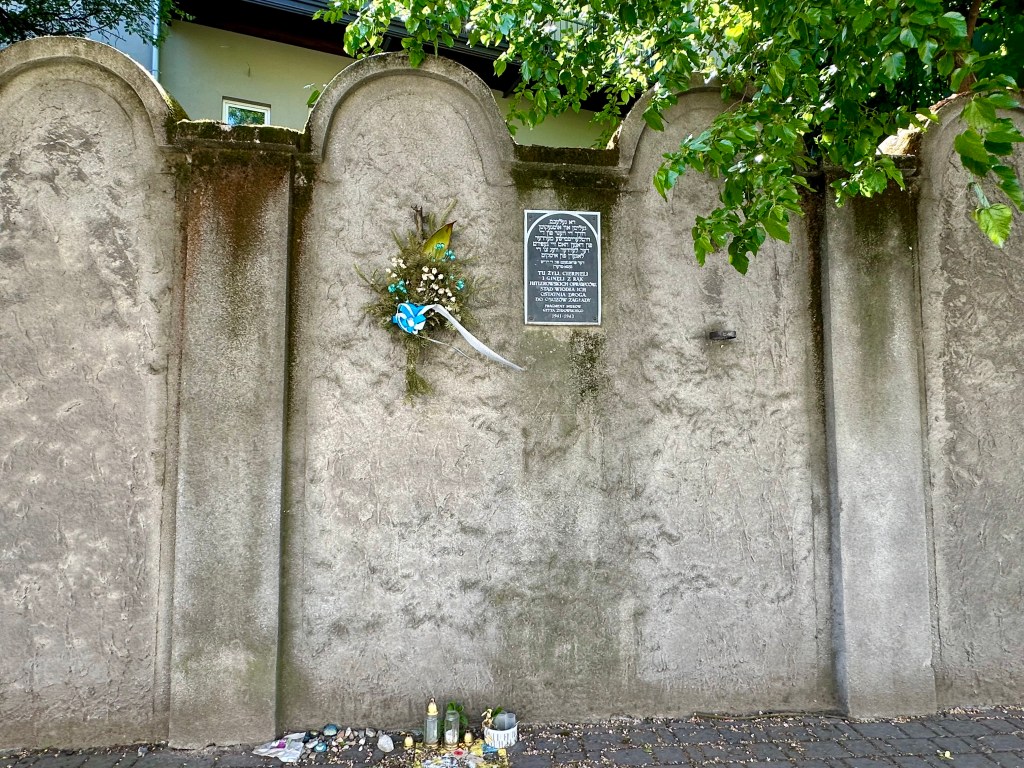
From 1941 to 1943 a closed Jewish ghetto was established in Krakow. The only non-Jewish establishment in the ghetto was this pharmacy, run by a Polish non-Jew, Tadeus Pankiewicz, who, along with his Polish co-workers, actively helped and supported the ghetto inhabitants. This is a small museum with interesting exhibits and photographs, and well worth an hour or so to explore. Outside the pharmacy is Ghetto Heroes Square with empty chairs situated on it, each representing 1,000 Jewish inhabitants of Krakow.
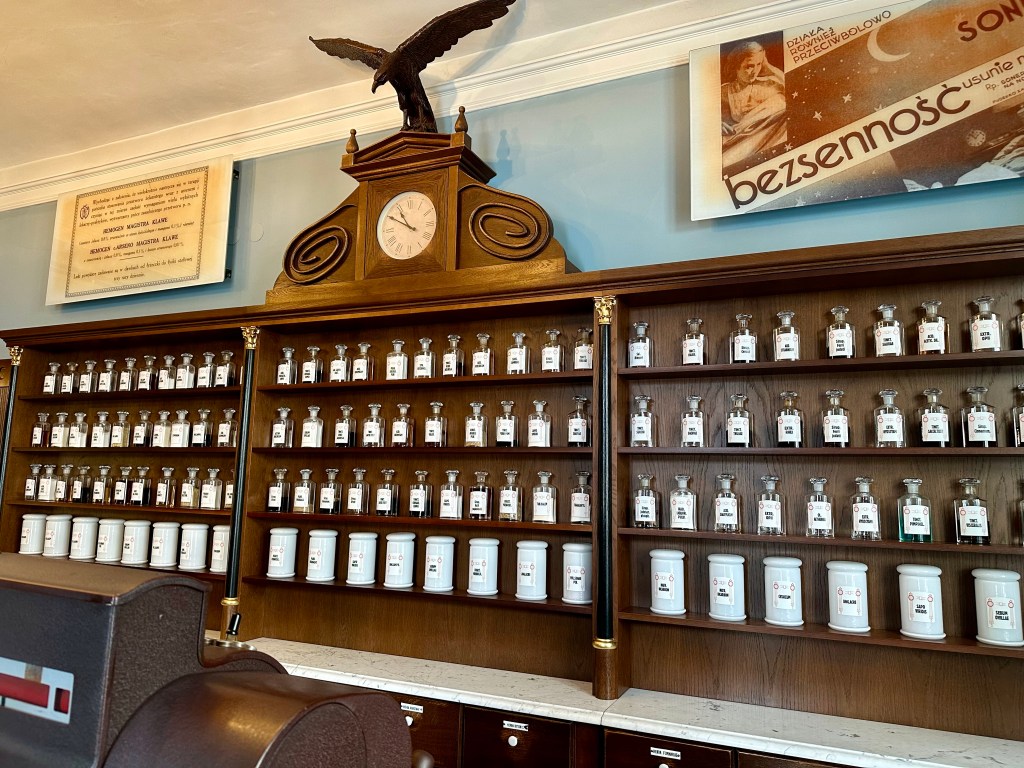
Pharmacy entrance
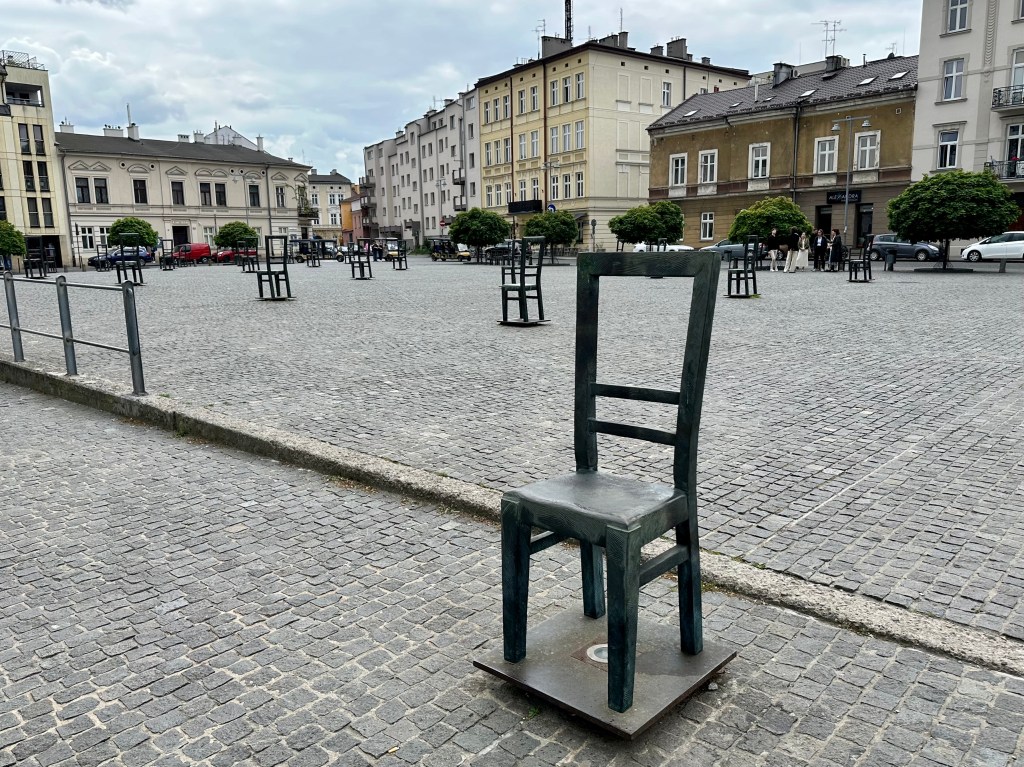
6. Explore the Jewish Quarter
This was our second tour with Walkative and we were pleased to have Damian as our guide again. We visited seven synagogues, only one of which we went inside. We also visited the Jewish Ghetto and Old Town, and were given lots of information about life in these areas before and during WWII. The movie Schindler’s List was discussed as it was filmed in various locations here too.
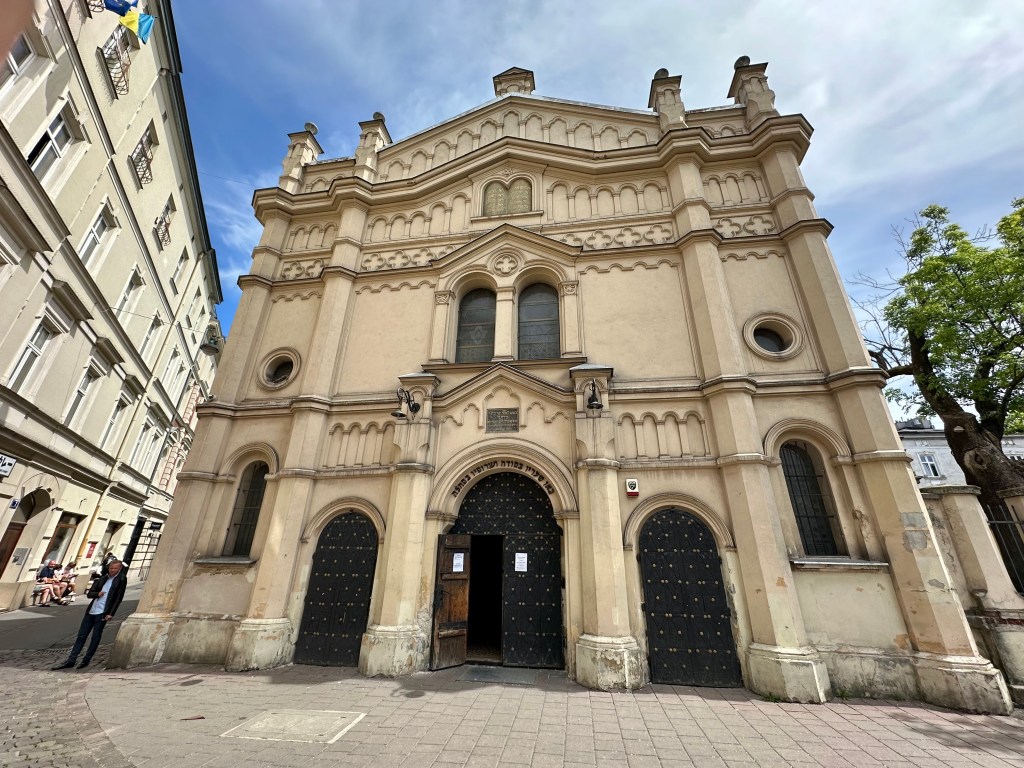
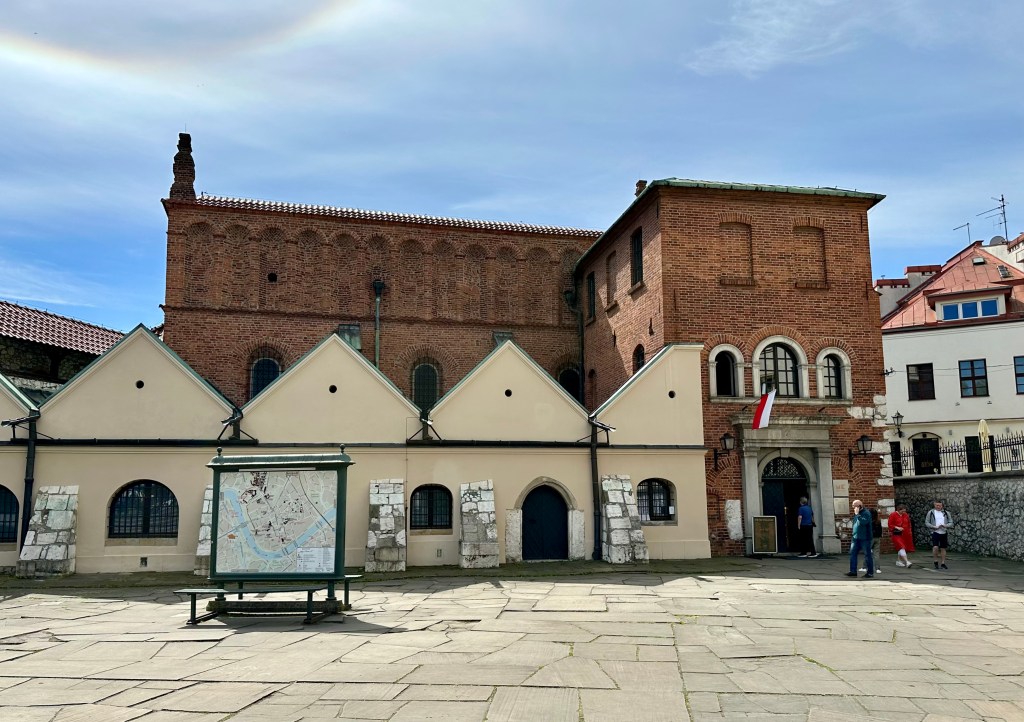
The Old Synagogue is the oldest synagogue building still standing in Poland
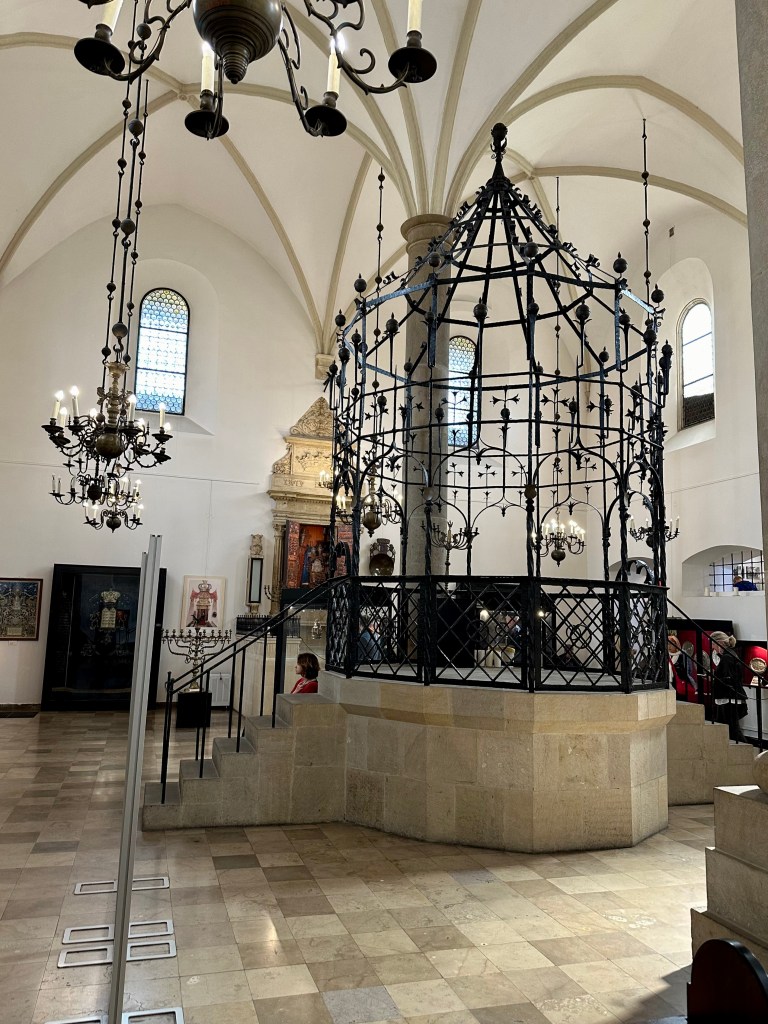
Inside the Old Synagogue
7. Experience total darkness at Womai
This is an unusual museum that offers an “Into the Darkness Experience” For an hour you are in total darkness and perform some of the basic tasks that you would do daily if you were blind (locking/unlocking doors, identifying foods and spices, using a cane etc). Led expertly by an English-speaking blind guide (Pawel), this is a sensory experience and well worth the time to experience.
Of Note
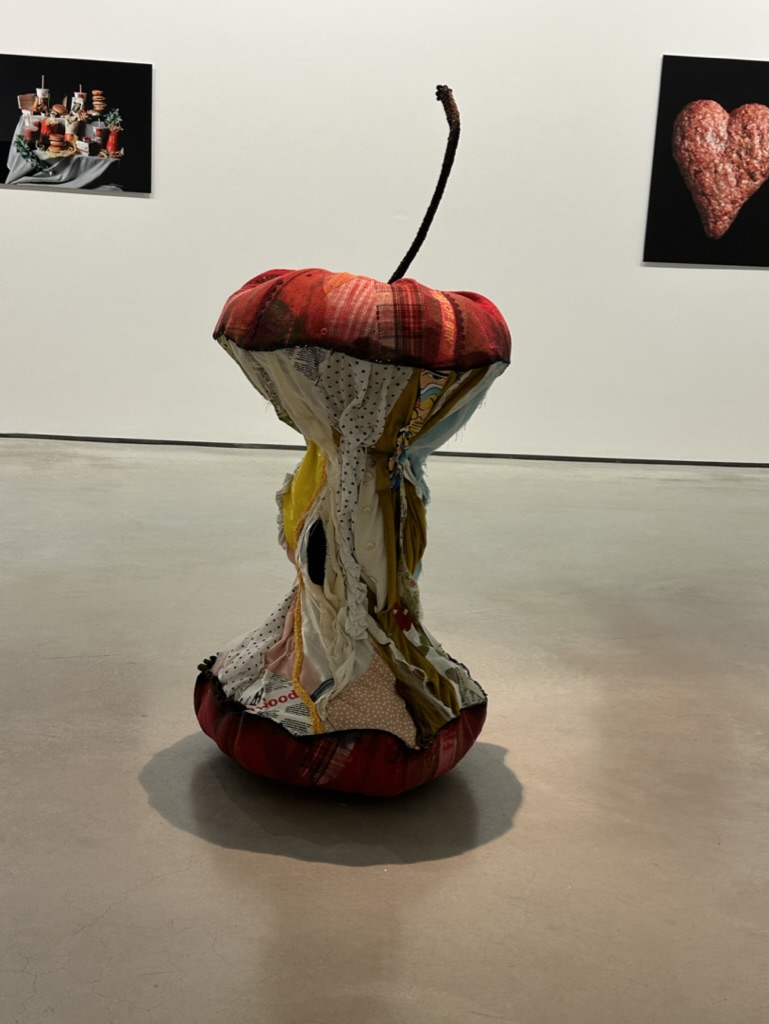
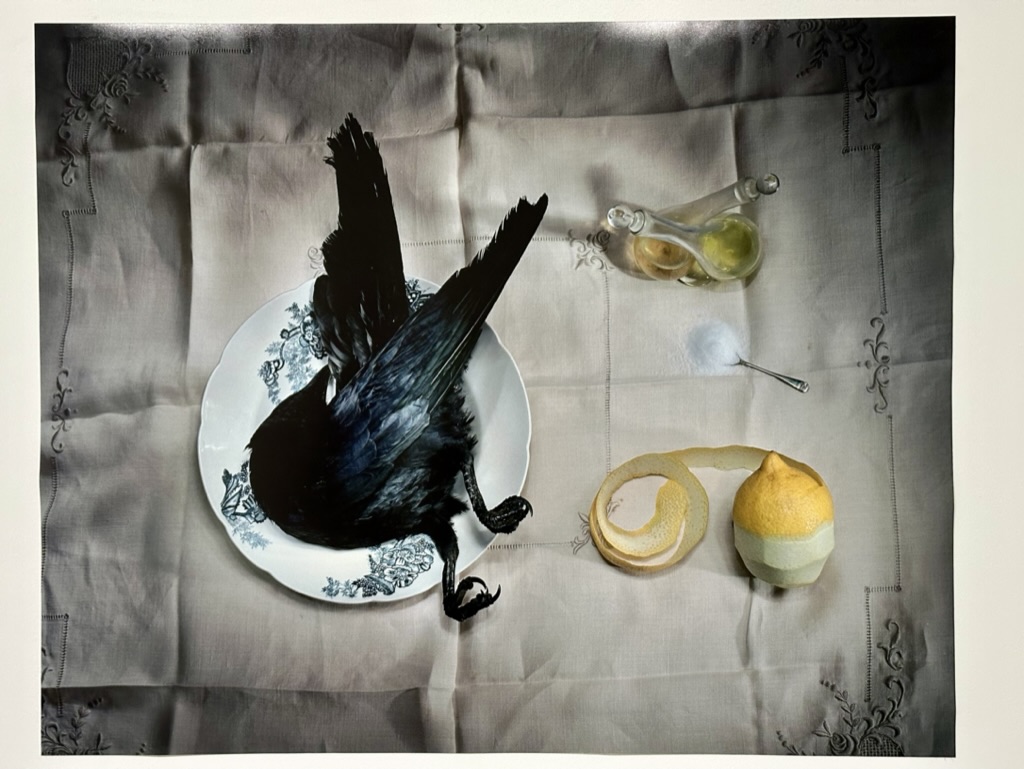
There are lots of other things to see and do in Krakow. The abhorrent actions by the Nazis in WWII are well explained throughout the city. However there are some interesting museums such as the Arcade Museum, The Contemporary Art Museum, Womai and The Stained Glass Museum to name a few. We visited the Contemporary Art Museum, which is on the same site as Oskar Schindler’s Enamel Factory. A contemporary art museum is not something we would normally visit; however it was raining and we were at the Enamel Factory! I enjoyed the section on food as an art form.
We also spent time simply wandering around the centre of Krakow; it is an interesting city to stroll around.
Other things to consider are a Vistula River Cruise or the mountain resort of Zakopane with its thermal pools and funicular (this is a full day, either by train or take a tour) .
Debit and Credit cards are used everywhere. We took some Zloty currency with us but could have managed without any
Fun Fact
Oskar Schindler’s grave is in the Catholic cemetery on Mount Zion in Jerusalem — and is, according to Thomas Keneally, the author of Schindler’s Ark (filmed as Schindler’s List), the only member of the Nazi Party ever to have been buried there. Stones are left on Schindler’s grave. This is a Jewish sign of respect
 Global Gary